

Unlike in, for instance, Russia, the US, or France, the German presidency is not a powerful office. At least not in terms of what it can do directly or independently. Instead, Germany’s president is a largely representative figure, while real power to lead national policy belongs to the chancellor.
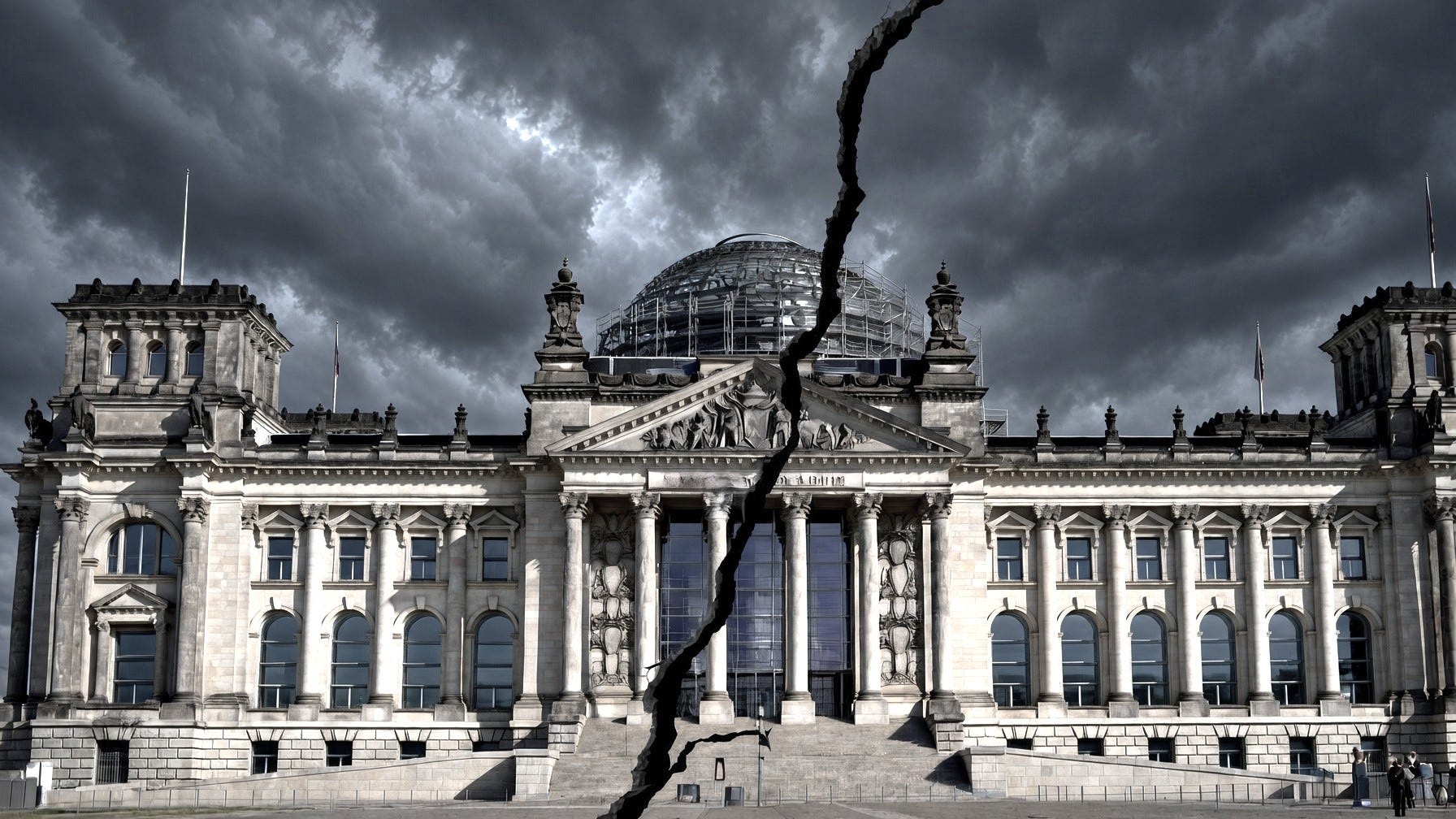
Yet the presidency is no mere decoration. According to a 2014 summary by Germany’s constitutional court, the authority of the office derives, above all, from the intellectual and moral influence it should exert, and whoever holds it “embodies the unity of the state.” In short, Germany’s president has two real jobs: to stand for national togetherness, especially when tensions increase and politics polarize, and, secondly, to be a widely acknowledged moral authority.
Frank-Walter Steinmeier, the current president, has failed quite spectacularly on both counts, and his recent speech on the Day of German Unity has shown once again how and why. This is a scandal, but it is not a surprise. Even before his latest performance, Steinmeier had earned himself the nickname “Walter der Spalter,” which translates as Walter the Splitter.
